
Medical & Restorative Tattooing in Tyler, TX at Identity Medical Spa
Identity Medical Spa provides medical and restorative tattooing in Tyler, TX, a specialized category of cosmetic tattooing designed to restore natural-looking pigmentation and texture following surgery, scarring, hair loss, or skin changes such as stretch marks. Medical and restorative tattooing uses precise pigment application techniques to visually correct areas of the body that have lost color, texture, or definition due to a medical procedure or physical change. Our services in this category include areola restoration tattooing, camouflage tattooing, stretch mark camouflage, and scalp micropigmentation, each addressing a distinct restorative need for patients throughout Tyler.
Schedule your medical & restorative tattooing consultation in Tyler, TX today.
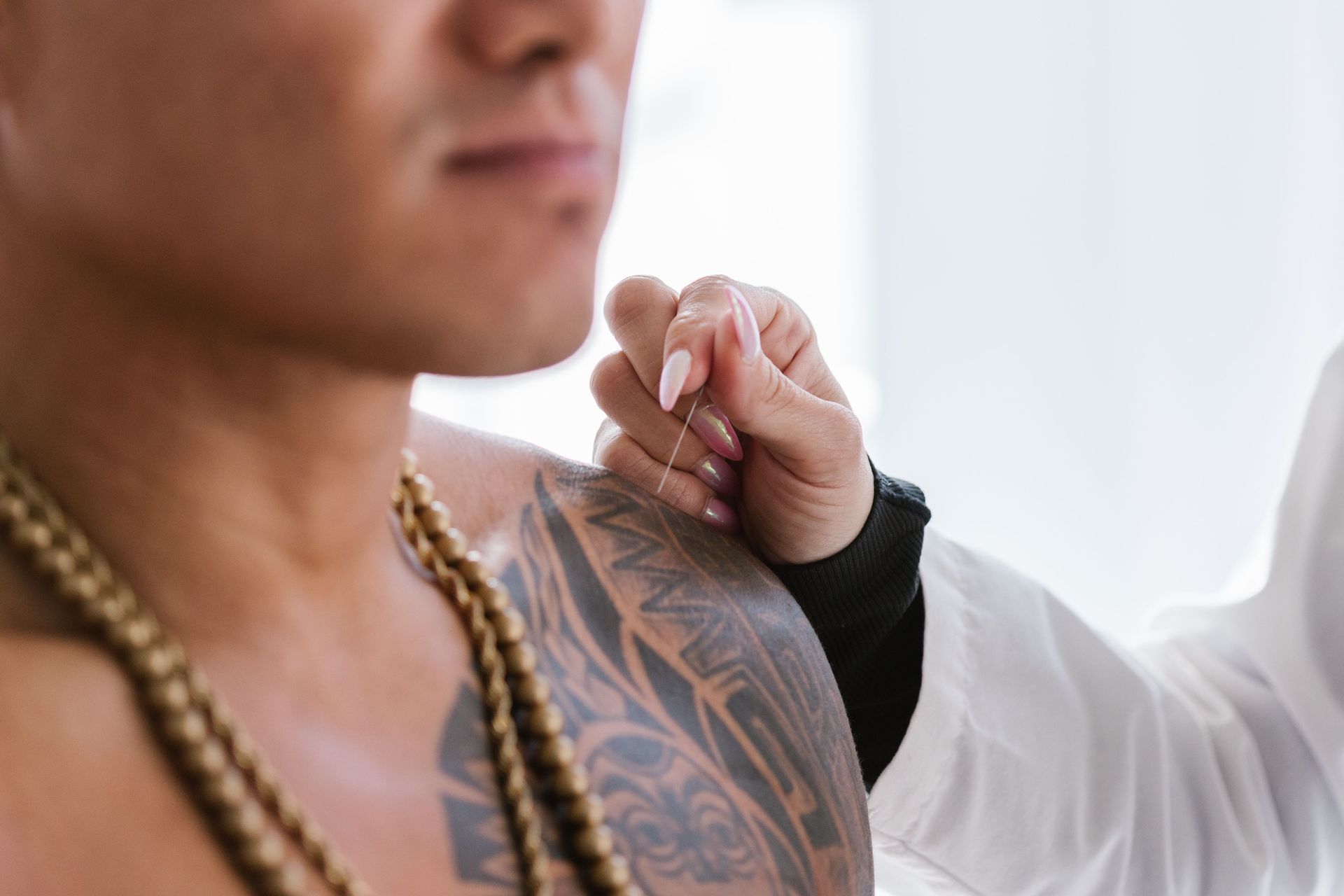
Areola Restoration Tattooing in Tyler, TX
Areola restoration tattooing recreates the appearance of a natural areola and nipple following breast surgery, such as mastectomy or reconstruction, using specialized pigmentation techniques that replicate realistic color, shading, and dimension. This form of medical tattooing is often one of the final steps in the breast reconstruction process, helping restore a natural appearance to the chest area.
Areola restoration tattooing requires careful color matching and shading technique to create a three-dimensional appearance on what may be flat, reconstructed skin. Providers performing areola restoration tattooing take into account skin tone, the surrounding tissue, and any existing scarring to achieve the most natural-looking result possible.
What to Expect During Areola Restoration Tattooing Healing
Some redness and mild sensitivity are common in the days following areola restoration tattooing, with the pigment settling into its final color over the following several weeks as the skin heals.
Camouflage Tattooing in Tyler, TX
Camouflage tattooing uses specially matched pigments to visually blend scars, burns, or areas of skin discoloration with the surrounding skin tone, reducing the visible contrast between the affected area and the rest of the body. This medical tattooing technique does not remove or alter the texture of a scar but instead works to correct the color difference that often makes scars more noticeable.
Camouflage tattooing requires careful pigment matching, since skin tone can vary subtly across different areas of the body and can also change with sun exposure over time. Because scar tissue can behave differently than normal skin when absorbing pigment, camouflage tattooing often requires multiple sessions to achieve a fully blended, natural-looking result.
Why Camouflage Tattooing May Require Touch-Ups
Scar tissue can absorb and retain pigment differently than surrounding healthy skin, which is why camouflage tattooing frequently requires a touch-up session to achieve full, even color blending.
Book your areola restoration or camouflage tattooing consultation in Tyler, TX.
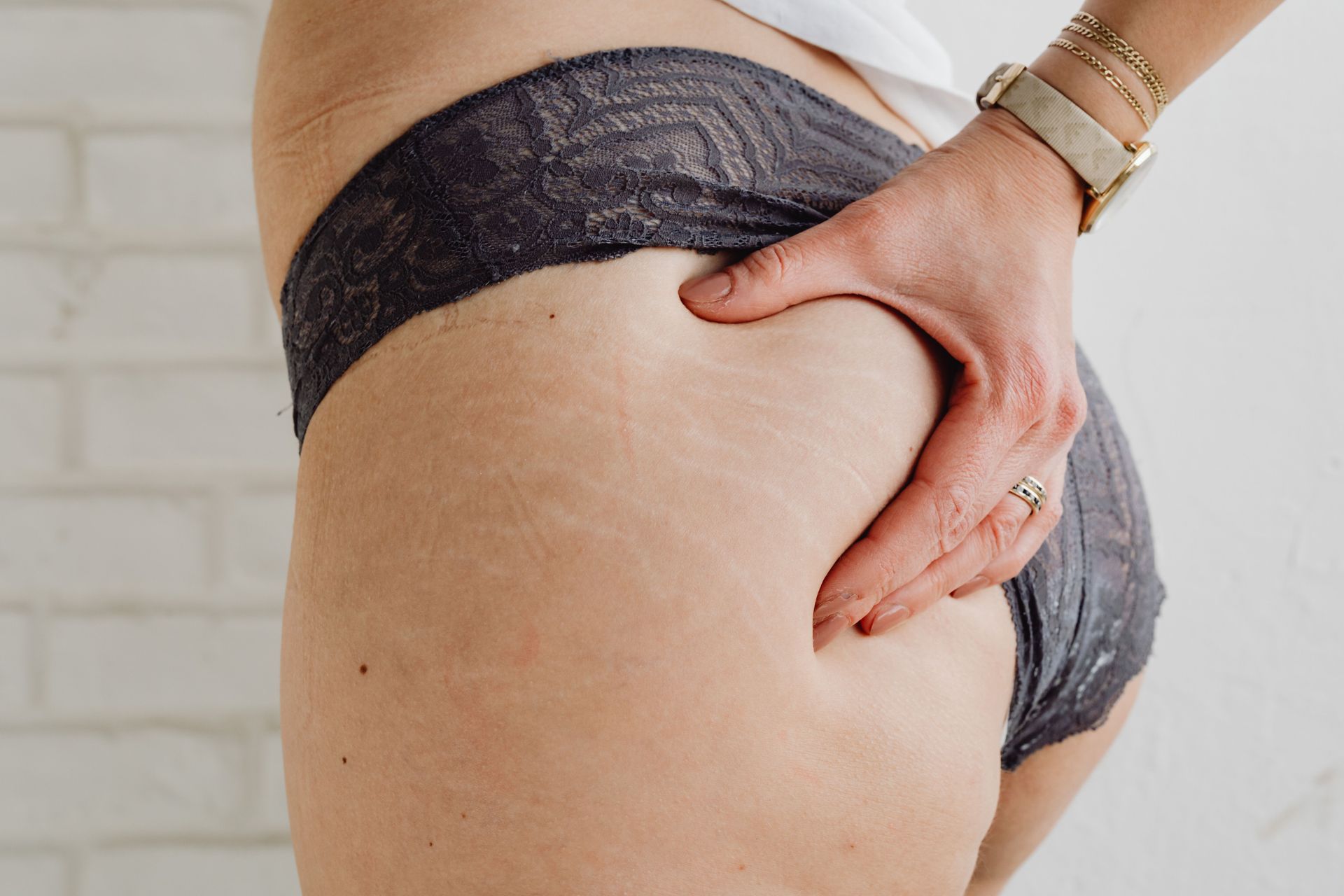
Stretch Mark Camouflage in Tyler, TX
Stretch mark camouflage uses a similar pigment-matching technique as scar camouflage tattooing, specifically targeting the lighter or discolored appearance of stretch marks to help them blend more seamlessly with the surrounding skin tone. This treatment does not eliminate the texture of the stretch mark but significantly reduces its visibility by correcting the color contrast.
Stretch mark camouflage is typically performed in multiple sessions, since stretch marks can vary in depth, width, and how they absorb pigment compared to healthy surrounding skin. Patients often see the most noticeable improvement after completing the full recommended treatment series, as each session builds upon the color blending achieved in the previous appointment.
Which Stretch Marks Respond Best to Camouflage Treatment
Older, lighter-colored stretch marks that have already fully healed and stabilized in color tend to respond best to stretch mark camouflage, since the treatment relies on pigment matching the surrounding skin tone.
Scalp Micropigmentation in Tyler, TX
Scalp micropigmentation is a specialized tattooing technique that deposits tiny dots of pigment into the scalp to replicate the appearance of hair follicles, creating the visual effect of a fuller head of hair or a closely shaved look. This treatment is commonly used to address thinning hair, receding hairlines, or overall hair loss, and can also be used to camouflage scarring from previous hair transplant procedures.
Scalp micropigmentation is customized based on the patient's natural hair color, head shape, and desired hairline design, with pigment tone selected to closely match the patient's existing or previous hair color for a natural, blended appearance. Because the technique relies on tiny, precisely placed pigment dots rather than larger tattooed areas, the results are designed to mimic the natural, textured look of closely cropped hair follicles.
How Scalp Micropigmentation Addresses Hair Transplant Scarring
Scalp micropigmentation can be used to camouflage linear or diffuse scarring from previous hair transplant procedures by tattooing pigment dots directly into and around the scarred area to visually blend it with surrounding hair follicles.
Schedule your scalp micropigmentation or stretch mark camouflage consultation in Tyler, TX.
Frequently Asked Questions About Medical & Restorative Tattooing in Tyler, TX
How long does areola restoration tattooing take to heal?
Areola restoration tattooing typically takes four to six weeks to fully heal, with the pigment settling into its final color and the surrounding skin recovering from any initial redness or sensitivity.
Can camouflage tattooing completely hide a scar?
Camouflage tattooing can significantly reduce the visibility of a scar by correcting color contrast, though it does not change the physical texture of the scar itself, so some visibility may remain depending on the scar's depth and texture.
How many sessions does stretch mark camouflage typically require?
Most stretch mark camouflage treatment plans involve two to three sessions, since stretch marks vary in how they absorb and retain pigment compared to surrounding skin.
Is scalp micropigmentation permanent?
Scalp micropigmentation is considered semi-permanent, with results generally lasting several years before pigment gradually fades and a touch-up session is needed to maintain the desired density and color.
Does areola restoration tattooing require numbing?
Yes, topical numbing is typically used during areola restoration tattooing to minimize discomfort, particularly since the treated area may still be healing from previous reconstructive surgery.
Can scalp micropigmentation be done on areas with active hair loss?
Yes, scalp micropigmentation can be applied to areas of active hair loss to create the appearance of density, though a provider may recommend monitoring the progression of hair loss to plan future touch-up sessions accordingly.
Will camouflage tattooing match my skin tone exactly?
Providers work to closely match camouflage tattooing pigment to the surrounding skin tone, though achieving an exact match can be more challenging in areas where skin tone naturally varies or changes with sun exposure.
Is stretch mark camouflage only for lighter stretch marks?
Stretch mark camouflage tends to work best on lighter, more established stretch marks, since darker or more recently formed stretch marks may not blend as effectively with the color-matching technique.
How soon after breast reconstruction can areola restoration tattooing be performed?
Areola restoration tattooing is typically performed only after the breast reconstruction site has fully healed, which a surgeon or provider can help determine based on individual recovery timelines.
Does scalp micropigmentation look like real hair follicles?
When performed by a skilled provider, scalp micropigmentation is designed to closely replicate the appearance of natural hair follicles, creating a realistic, textured look that blends with the patient's scalp and hair color.
How long do camouflage tattooing results last before fading?
Camouflage tattooing results can last several years, though gradual fading may occur over time due to sun exposure and the skin's natural regeneration process, making occasional touch-ups helpful for maintaining color blending.