
Skin Concerns & Corrective Treatments in Tyler, TX at Identity Medical Spa
Identity Medical Spa provides corrective treatments in Tyler, TX for a range of specific skin concerns, including melasma, hyperpigmentation, scarring, and skin tags. Unlike general facial rejuvenation services, these corrective treatments are designed to target a defined skin issue directly, using techniques suited to the underlying cause of the concern. Our approach to skin concerns and corrective treatments begins with identifying the type and depth of the issue, since melasma, hyperpigmentation, scarring, and skin tags each require different treatment methods for effective, lasting results. Patients throughout Tyler turn to our corrective treatments when they want a focused solution for a specific skin concern rather than a broader rejuvenation service.
Schedule your corrective skin treatment consultation in Tyler, TX today.
Melasma Treatment in Tyler, TX
Melasma is a common pigmentation condition that causes patches of darkened skin, typically on the face, and is often triggered or worsened by sun exposure, hormonal changes, or heat. Melasma treatment at our Tyler medical spa focuses on reducing the appearance of these patches while addressing the underlying pigment production that causes them to form. Because melasma can be resistant to treatment and prone to recurrence, a combination approach is often used, which may include topical agents, chemical peels, or laser-based options depending on the depth and pattern of the pigmentation.
Melasma treatment typically requires patience, as results build gradually over multiple sessions rather than resolving after a single visit. Consistent sun protection is also a critical part of any melasma treatment plan, since UV exposure is one of the primary triggers for melasma flare-ups and can undo progress made during treatment.
Why Melasma Can Be More Difficult to Treat Than Other Pigmentation
Melasma often involves pigment deposited deeper in the skin than typical sun spots or age spots, which is why melasma treatment frequently requires a longer, more gradual approach compared to more superficial forms of hyperpigmentation.
Hyperpigmentation Treatment in Tyler, TX
Hyperpigmentation refers to any area of skin that has become darker than the surrounding tissue, often as a result of sun damage, aging, or inflammation from acne or injury. Hyperpigmentation treatment at Identity Medical Spa is tailored to the type of pigmentation present, since sun-induced dark spots, post-inflammatory marks, and age-related pigmentation can each respond differently to various treatment methods.
Common approaches to hyperpigmentation treatment include chemical peels, which exfoliate away pigmented surface cells, and targeted laser treatments, which break down excess pigment beneath the skin's surface. The right hyperpigmentation treatment plan depends on how deep the pigmentation sits within the skin and how the patient's skin tone responds to different treatment intensities.
The Difference Between Hyperpigmentation and Melasma
While hyperpigmentation is a general term for any darkened area of skin, melasma is a specific and often more stubborn form of hyperpigmentation typically linked to hormonal factors, which is why melasma treatment often requires a more targeted and sustained approach.
Book your hyperpigmentation or melasma treatment consultation in Tyler, TX.
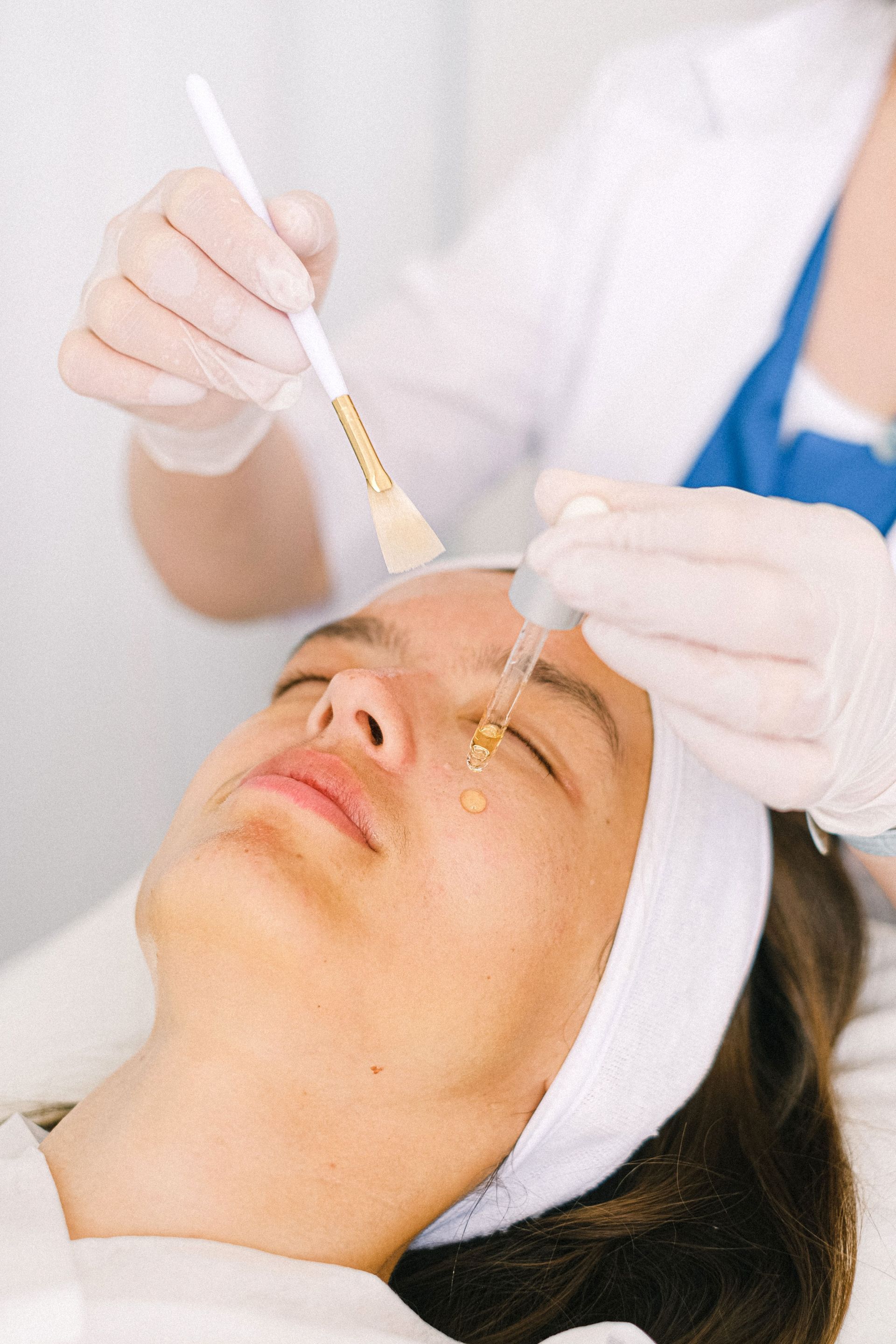
The peel solution is applied and left on the skin for a set time based on strength and tolerance.
Peel Application
Post-Peel Recovery
Peeling and flaking may occur over several days as the skin sheds its damaged outer layers.

Scar Lightening in Tyler, TX
Scar Lightening in Tyler, TX
Scar lightening treatment is designed to reduce the visible discoloration that often remains after a scar has healed, whether from acne, surgery, or injury. While scar lightening does not change the physical texture of a scar, it can significantly reduce the color contrast between the scarred area and surrounding skin, making the scar far less noticeable.
Scar lightening treatments typically target the pigment cells responsible for the darkened or discolored appearance of a scar, using methods that encourage the skin to gradually even out in tone over a series of sessions. Scar lightening is often most effective on scars that are relatively flat but discolored, rather than raised or deeply textured scarring.
How Long Scar Lightening Results Take to Appear
Because scar tissue can be more resistant to pigment change than surrounding healthy skin, scar lightening treatment generally requires multiple sessions over several weeks to months before the color difference becomes significantly less noticeable.
Skin Tag Removal in Tyler, TX
Skin tag removal addresses the small, soft, benign growths that commonly develop in areas of friction, such as the neck, underarms, and eyelids. While skin tags are harmless, many patients pursue skin tag removal for cosmetic reasons or because a skin tag is regularly irritated by clothing, jewelry, or skin-on-skin contact.
Skin tag removal at Identity Medical Spa is performed using precise, in-office techniques that remove the growth with minimal discomfort and little to no downtime. Because skin tags are superficial growths, removal is typically a quick, straightforward procedure, and most patients can resume normal activities immediately afterward.
What to Expect During Recovery After Skin Tag Removal
Minor redness or a small scab may form at the site of skin tag removal, which typically resolves within a few days without leaving significant scarring in most cases.
Schedule your scar lightening or skin tag removal appointment in Tyler, TX.
Frequently Asked Questions About Skin Concerns & Corrective Treatments in Tyler, TX
What causes melasma to develop?
Melasma is commonly triggered by a combination of sun exposure, hormonal changes such as pregnancy or birth control use, and heat exposure, all of which can stimulate excess pigment production in the skin.
How long does melasma treatment take to show results?
Melasma treatment typically requires several weeks to months of consistent sessions before noticeable fading occurs, since melasma pigment often sits deeper in the skin than other forms of hyperpigmentation.
Can hyperpigmentation go away on its own?
Some mild hyperpigmentation may fade gradually on its own over several months, but deeper or more stubborn hyperpigmentation typically requires targeted treatment to see significant improvement.
Is scar lightening the same as scar removal?
No, scar lightening focuses specifically on reducing the discoloration of a scar rather than changing its texture or completely removing the scar tissue itself.
Does skin tag removal leave a scar?
Skin tag removal rarely leaves noticeable scarring, since skin tags are superficial growths and the removal process typically affects only the surface area where the tag was attached.
Why does melasma often come back after treatment
Melasma is prone to recurrence because it is frequently triggered by ongoing factors such as sun exposure and hormonal fluctuations, which is why consistent sun protection is essential even after successful melasma treatment.
What is the best treatment for post-acne hyperpigmentation?
Post-acne hyperpigmentation often responds well to a combination of chemical peels and targeted treatments that address surface pigment, though the ideal option depends on skin tone and the depth of the discoloration.
Are skin tags contagious or a sign of a health problem?
Skin tags are generally harmless and not contagious, though they are more common in areas of friction and in individuals with certain risk factors, which a provider can evaluate during a consultation.
Can scar lightening treatment work on old scars?
Yes, scar lightening can improve the discoloration of both recent and older scars, though results may vary depending on how much pigment change has occurred in the scar over time.
How many sessions are typically needed for hyperpigmentation treatment?
Most hyperpigmentation treatment plans involve three to six sessions spaced several weeks apart, depending on the depth and severity of the pigmentation being addressed.
Is skin tag removal covered by insurance?
Skin tag removal is generally considered a cosmetic procedure and is not typically covered by insurance unless the skin tag is causing medical symptoms such as persistent irritation or bleeding.